MATERIALS
WHAT WE'RE MADE OF
We use a variety of fibres in the production of our clothing, sourced from different regions and crafted through diverse production methods. Each fibre is carefully selected to ensure the highest quality, comfort, and durability while reflecting our commitment to responsible sourcing and innovation.This means that you won’t find materials such as real fur or materials sourced from threatened or endangered species at MOS MOSH. But you will find various kinds of materials: Fibre from nature, fibres from animals, and synthetic fibres.

FIBRES FROM NATURE
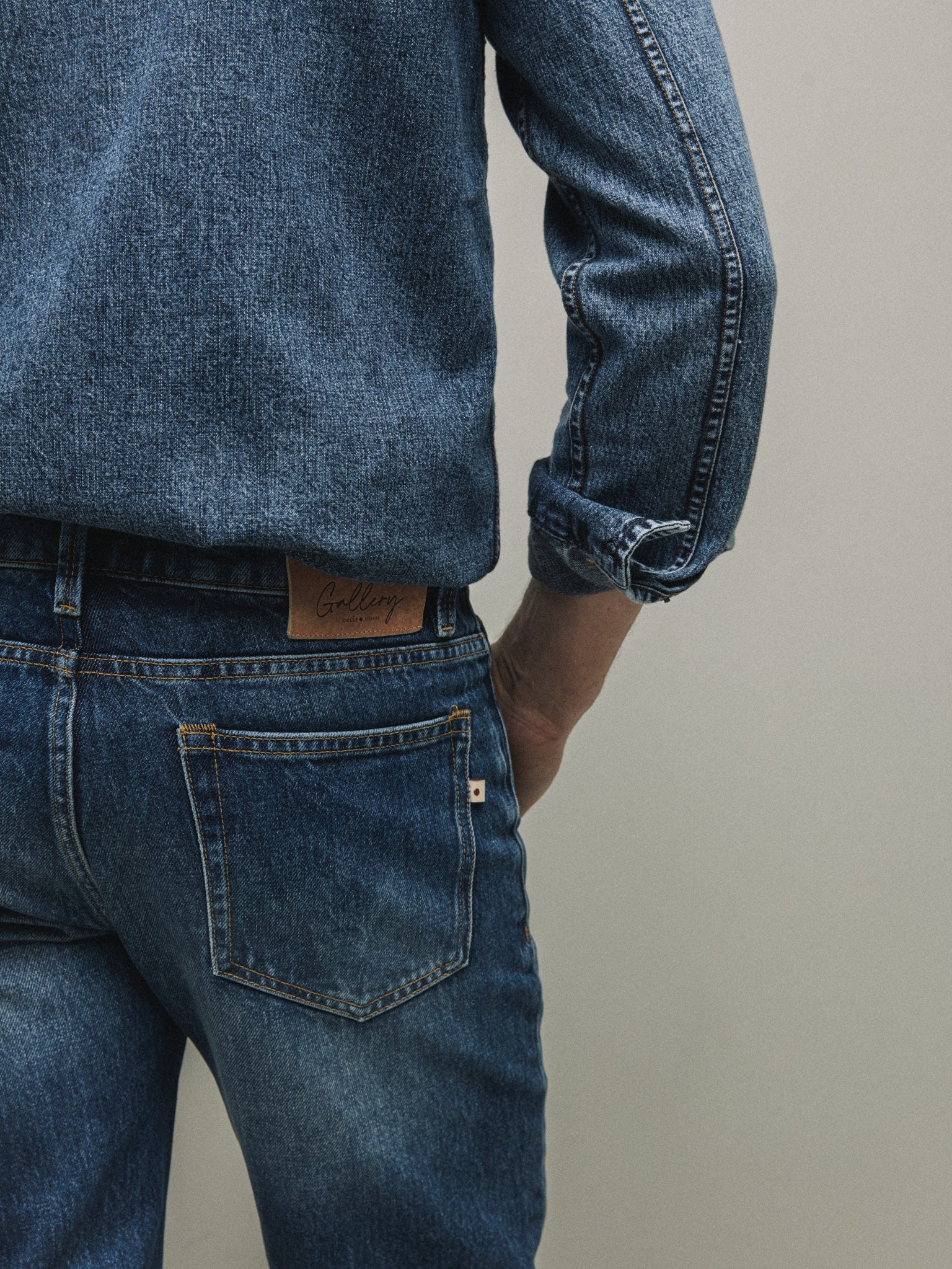
Cotton is a natural fibre that grows around the seeds of the cotton plant. These fibres are spun into threads and used to create breathable textiles, making cotton one of the most widely used materials in clothing production worldwide. The cotton plant is cultivated on approximately 5% of global agricultural land.
Types of cotton used by MOS MOSH:
Conventional Cotton
This is the most common type of cotton grown without specific sustainability standards.
Organic Cotton — OCS Certified (Organic Content Standard)
This certification ensures that a specific percentage of a product's cotton is organically grown. Products with OCS certification may still contain conventional cotton, but the organic cotton must be traceable throughout the supply chain.
MOS MOSH is certified by Ecocert Greenlife 289600
GOTS Certified Cotton (Global Organic Textile Standard)
This certification is more comprehensive, covering both environmental and social criteria. To obtain GOTS certification, the cotton must be 100% organic, and the entire production process—from farming to processing—must adhere to strict sustainability and labour standards.
MOS MOSH is certified by Ecocert Greenlife 289600
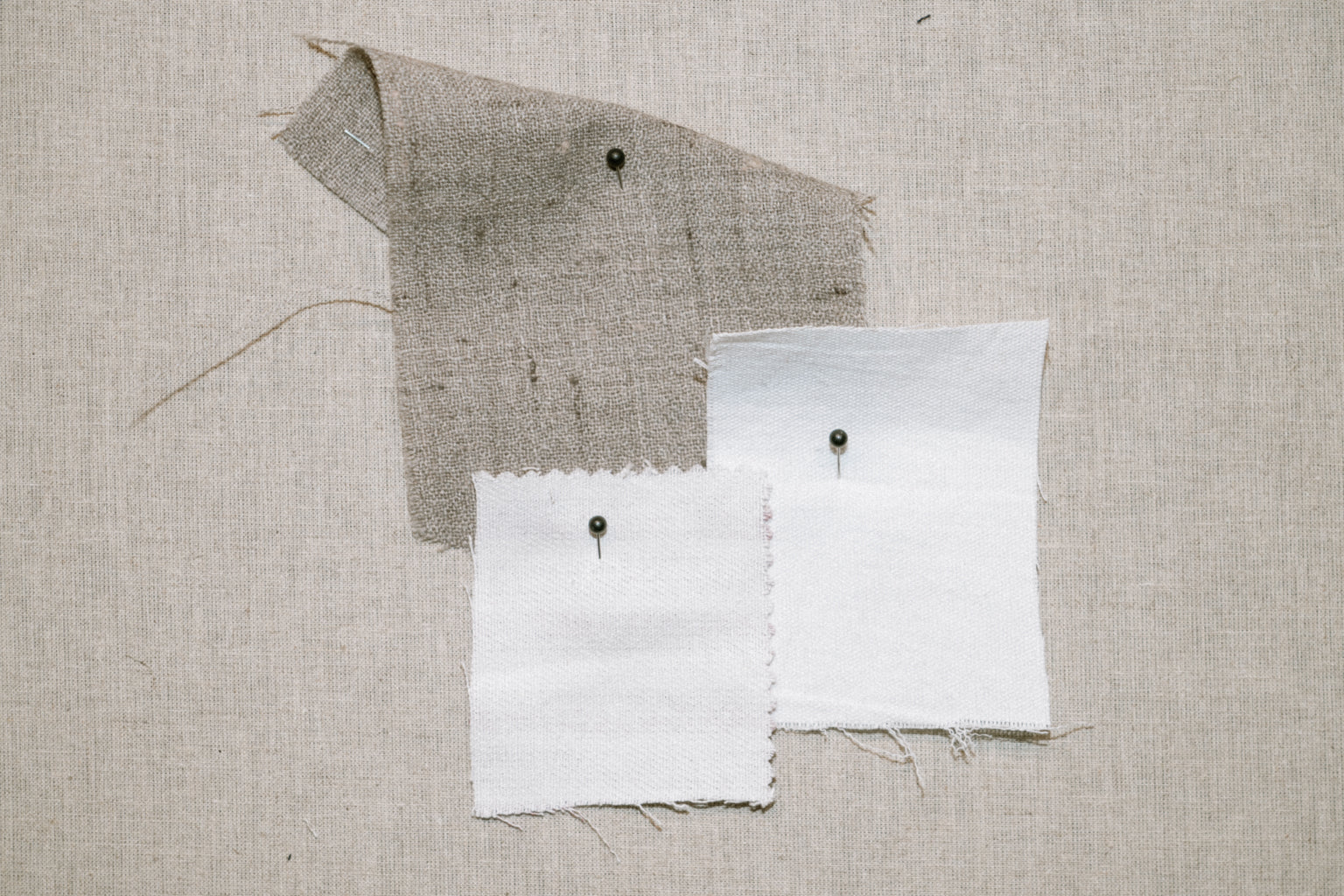
MOS MOSH uses the linen material. Linen is a natural material derived from the flax plant, specifically its stem. It is known for its cooling and relaxed properties, making it an excellent choice for summer garments. Both the fabric and the plant itself are referred to as linen. The flax plant thrives in cooler climates, which is why Russia, the Baltic region, and parts of China have become major producers. Historically, Ireland and Scandinavia also had significant linen production and a long tradition of processing this material.
Regenerated cellulose fibres are synthetic fibres made by transforming natural cellulose sources—such as wood or cotton—into fibres through a chemical process. This process typically involves dissolving cellulose in a chemical solution before it is spun into fibres.
Types of regenerated cellulose fibres used by MOS MOSH:
Viscose
A semi-synthetic fibre made from natural cellulose, usually extracted from wood, cotton, or other plant-based materials. It is valued for its softness, sheen, and versatility. Although derived from natural sources, its production requires chemical processing, making it a "semi-synthetic" fibre.
EcoVero™ Viscose
A more sustainable version of traditional viscose developed by the Lenzing Group. This eco-friendly fibre is made from certified and responsibly sourced wood and is distinguished by its lower environmental impact. EcoVero™ is often used as a sustainable alternative to conventional viscose in clothing and textiles, offering the same softness and breathability with a silk-like finish while ensuring a responsible production process.
TENCEL™ Lyocell
A sustainable fibre developed by the Lenzing Group, derived from cellulose sourced from wood—typically from sustainably managed forests. It is known for its exceptional softness, strength, and eco friendly production process, which utilizes a closed-loop system to minimize waste and chemical emissions. TENCEL™ Lyocell is biodegradable.
Partnerships
MOS MOSH collaborates with LENZING AG, specialists in environmentally friendly fibres produced from FSC®-certified wood sourced from responsibly managed forests.

FIBRES FROM ANIMALS
Wool is a natural protein fibre that primarily comes from sheep but also from other animals such as goats (cashmere and mohair) and rabbits (angora). The structure of wool is complex—it contains tiny air pockets that provide excellent insulation. This makes wool an ideal material for garments and textiles that keep you warm in winter and cool in summer. Wool is naturally breathable, moisture-wicking, and can even have water-resistant properties. Its natural elasticity makes it resistant to creasing and ensures that garments retain their shape.
Types of Wool Used by MOS MOSH:
Wool from sheep
Conventional Wool
Conventional wool has a naturally crimped structure that creates air pockets for thermal insulation. It contains lanolin, making it self cleaning and water-repellent. It is also naturally elastic and flame-retardant.
RWS (Responsible Wool Standard)
RWS-certified wool has the same properties as conventional wool. However, this certification ensures good animal welfare for the sheep and that the land they graze on is responsibly managed. RWS also guarantees that the wool is mulesing-free. In addition to ensuring ethical treatment of animals and sustainable land management, the certification also sets requirements for fair working conditions for those involved in the supply chain. To get an RWS certification, a professional third party must audit every stage of the supply chain.
MOS MOSH is certified by Ecocert Greenlife 289600.
Wool from Alpaca
Conventional Alpaca Wool
Alpaca wool is a luxurious fibre sourced from the alpaca, a relative of the llama that lives in the Andes Mountains of South America, primarily in Peru. This fibre is renowned for its softness, lightness, and excellent insulating properties, making it a popular choice for clothing.
RAS (Responsible Alpaca Standard)
RAS-certified alpaca wool ensures responsible and sustainable practices in the production of alpaca wool. The standard covers multiple aspects, including animal welfare, sustainable land management, and social responsibility in production. The certification guarantees that alpaca wool can be traced throughout the supply chain, ensuring that consumers and producers can be confident in its responsible sourcing.
MOS MOSH is certified by Ecocert Greenlife 289600.
Cashmere Wool:
GCS (Good Cashmere Standard) Certified Cashmere
Cashmere is a fine and soft fibre derived from the cashmere goat, found mainly in the cold mountainous regions of Asia, especially Mongolia, China, India, and Nepal. It is considered one of the most luxurious and sought-after textile fibres in the world due to its exceptional softness, warmth, and lightness. GCS-certified cashmere ensures that cashmere products are not only of high quality but also produced in a way that respects people, animals, and the environment. This certification requires full traceability of the cashmere’s origin and production process, ensuring that the products meet the ethical standards set by the Good Cashmere Foundation.
MOS MOSH has signed a collaboration agreement with the Aid by Trade Foundation.
Mohair Wool — from the Angora Goat:
RMS (Responsible Mohair Standard)
Mohair is a luxurious natural fibre obtained from the hair of the Angora goat. It has been valued for centuries for its softness, lustre, and durability. Primarily used in textiles, mohair is known for its unique properties. RMS certification guarantees that the mohair comes from farms that adhere to strict animal welfare and sustainable farming practices. The certification ensures full traceability in the supply chain, allowing consumers to verify that their mohair products come from responsible sources.
MOS MOSH is certified by Ecocert Greenlife 289600.

Silk is a natural fibre produced by the silkworm, specifically from its larva, which spins a cocoon as part of its transformation into an adult moth. Silk is known for its incredible softness, lustre, and strength, making it a luxurious and highly sought-after fibre in the textile industry.
Silk has a natural sheen that gives it an elegant and refined appearance. This shine comes from its structure, which reflects light in a unique way. Despite its lightweight nature, silk is a very strong fibre with high tensile strength, though it is less elastic than some other fibres.
Silk can regulate temperature, keeping you warm in winter and cool in summer, making it suitable for both warm and cold climates.
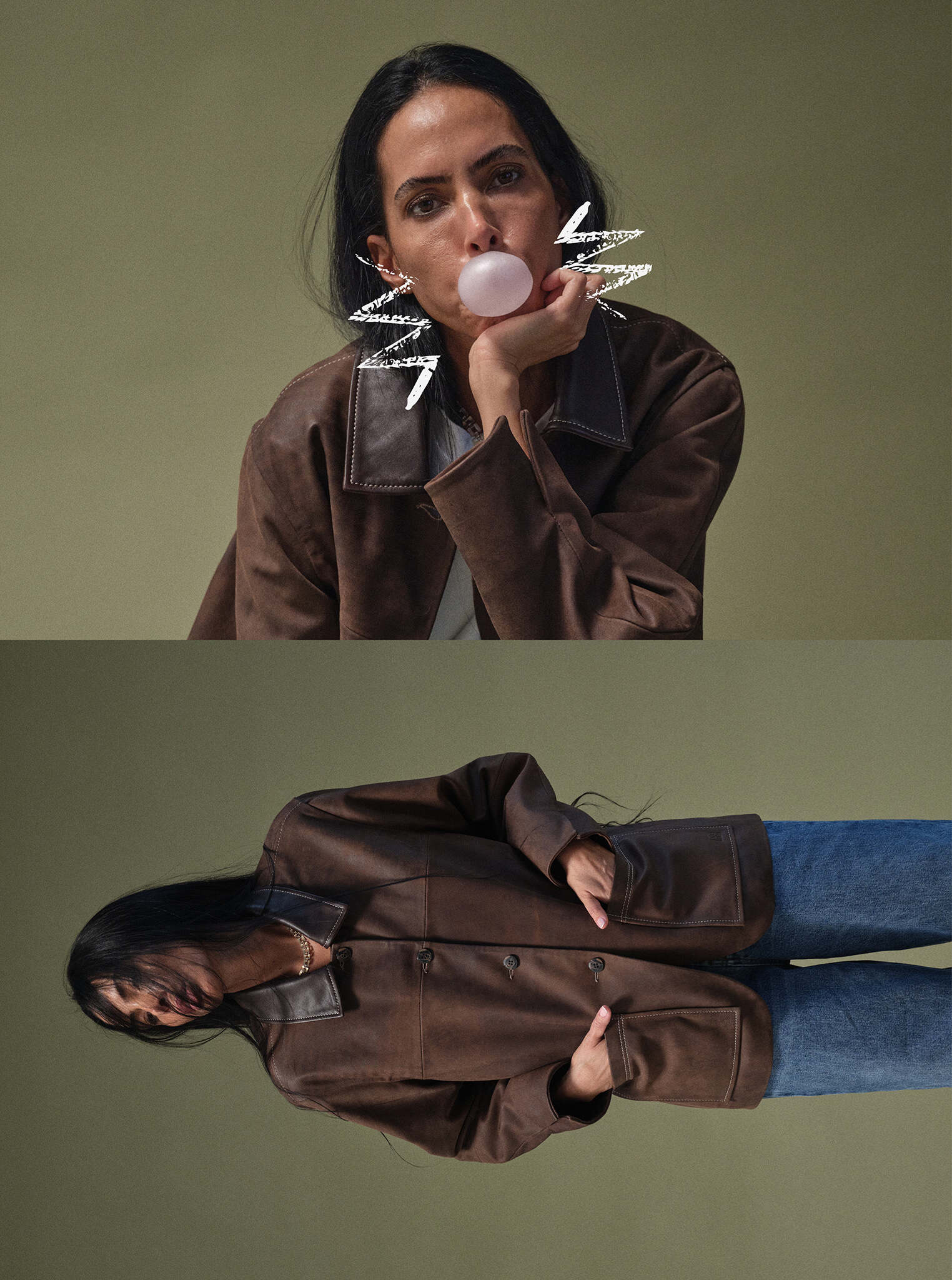
Leather comes from processed and tanned raw animal hides—MOS MOSH uses leather from lambs and goats. The tanning process is crucial, as it preserves and strengthens the leather while making it more supple and flexible for use in garments. Leather is highly durable and resistant to wear, contributing to its long lifespan. With proper care and use, leather becomes softer and more comfortable over time, moulding itself to the body.
All the leather we source is a by-product of existing food production.
Tanning Methods
Vegetable Tanning
A process that uses tannins extracted from plant sources such as tree bark. This method gives the leather a more natural, earthy tone.
Chrome Tanning
This method relies on the use of chromium salts in the tanning process. It results in a softer and more flexible leather. While chrome tanning is faster and more cost-effective, it raises environmental concerns due to the use of chemicals.
Finding a balance between the desired characteristics of leather and environmental considerations is crucial when choosing between these tanning methods. We strive to source leather only from tanneries certified by the Leather Working Group (LWG), ensuring environmental performance and responsible chemical management.
Down is derived from the soft under-feathers of ducks or geese. It is lightweight, fluffy, and has excellent insulating properties—creating tiny air pockets that trap warmth and retain body heat. Down is incredibly resilient and can withstand repeated compression without losing its loft or ability to expand. It also allows moisture to escape, contributing to breathability and helping to regulate body temperature.
MOS MOSH exclusively uses RDS (Responsible Down Standard) certified down, which ensures animal welfare and guarantees that the feathers are not plucked from live birds.
MOS MOSH is certified by Ecocert Greenlife 289600.
SYNTHETIC FIBRES
Polyester (PES) is a synthetic fibre produced through the chemical processing of petroleum-based resources. It is one of the most widely used materials in the textile industry due to its durability and versatility. Polyester can be manufactured in various forms and used both on its own and blended with other fibres such as cotton, wool, and silk. Polyester is highly resistant to wear and tear and withstands both chemicals and heat better than many natural fibres. It is also strong, wrinkle-resistant, and maintains its shape, making it a popular choice for clothing that needs to remain presentable over time.
Garments and textiles made from polyester require minimal care as they do not shrink or crease easily. Polyester does not need ironing and can often be machine-washed without issues. Additionally, it retains colours well and does not fade as quickly as many natural fibres, ensuring that garments maintain their appearance over time.
Virgin polyester
GRS (Global Recycled Standard)
This certification ensures that the polyester used is made from recycled materials and complies with environmental, social, and chemical safety standards throughout the production process. GRS certification requires a minimum of 20% recycled content, but products with higher percentages are also possible.
One of the key aspects of GRS-certified polyester is traceability. The certification requires that the recycled content is traceable throughout the entire supply chain, from the collection of recycled materials to the finished product. This transparency allows consumers to verify the sustainability of the product.
By using recycled materials, GRS-certified polyester helps reduce demand for virgin polyester, which is derived from petroleum, a non-renewable resource. GRS-certified polyester is a more responsible choice for consumers as it supports a circular economy.
MOS MOSH is certified by Ecocert Greenlife 289600.

Polyamide (PA), also known as nylon, is a type of synthetic fibre produced through chemical processes. Polyamide fibres are known for their strength, durability, and versatility, making them highly popular in both the textile industry and many technical applications. Polyamide absorbs moisture better than many other synthetic fibres, yet it also dries quickly, making it ideal for sportswear and outdoor clothing. Polyamide naturally resists creasing and deformation, making garments easy to maintain and ensuring they retain their shape. Polyamide has good elasticity, meaning it can stretch and return to its original form without being damaged.
Acrylic is a synthetic fibre made from polymers, primarily based on polyacrylonitrile. It is a lightweight, soft, and warm material that is often used as a more affordable alternative to wool in the textile industry. Acrylic is light and feels soft against the skin.It retains warmth well, making it a great choice for winter clothing and blankets.Acrylic is resistant to wear and does not fade quickly. It holds its shape and colour better than many natural fibres. Acrylic requires minimal care as it does not wrinkle or shrink easily. It can be machine washed and often does not require ironing.
Elastane (EA) is a synthetic fibre known for its exceptional elasticity. It can stretch up to 5–8 times its original length, making it ideal for garments that require high flexibility and comfort. Elastane helps garments maintain their shape and provides a close-fitting look. Due to its stretchability, elastane enhances comfort and allows for unrestricted movement, making it perfect for activities requiring flexibility. Elastane is relatively resistant to wear and maintains its colour for a long time.